

European Programmatic TV Initiative
Stage Two

Partners
EPTVI Stage Two Report
Programmatic TV is becoming a bigger part of how premium television is bought and sold in Europe. Campaigns now pass through more systems, partners and national market structures than traditional TV ever did.
That creates practical problems. Signals may not travel cleanly. Creative IDs can become hard to trace. Frequency controls may apply to only part of the chain. Delivery reports can be hard to reconcile, and when something goes wrong it can be unclear who is responsible.
The Stage Two Report looks at these points of friction. It sets out proposals on measurement, delivery reporting, signals, creative identity, frequency, ad pods, competitive separation and commercial accountability. The common aim is to keep the information, controls and evidence that premium television depends on usable as campaigns move through programmatic systems.
The report includes the North Star Principles, the five principles behind EPTVI’s work. Six Working Papers set out the proposals in detail and are published weekly until 12 November. Four propose market tests and two are for consultation.
Stage Three will test the proposals with willing partners in real workflows, to see whether they make reporting, trading and execution easier and where they need to change before wider adoption. It will also look at how programmatic can bring more demand into premium TV and what AI changes as planning, discovery and buying become more automated.
For more information, contact jon.watts@projectxinitiative.com or ian.maude@projectxinitiative.com.
Building the Foundations for Programmatic TV in Europe
Stage Two Working Papers
Six papers set out the report’s proposals in detail, published weekly until 12 November. Four propose market tests and two are for consultation.
The Future Role of Europe’s TV JICs in a Programmatic TV Marketplace
Coming next
Impressions Delivery Reporting Template
— 15 October
Signals Framework
— 22 October
Creative ID Interoperability
— 29 October
Frequency, Ad Pod and Competitive Separation
— 5 November
Premium Programmatic Partners (3Ps) Framework
— 12 November
EPTVI Stage Two Summit
30 September 2026
Our Virtual Summit on 30 September demonstrated just how far the conversation around programmatic TV has progressed.
Programmatic TV in Europe is no longer just a question of demand. The demand is there. The harder question is how the market makes it easier to buy, sell, measure and trust as more TV viewing and advertising moves into digital environments.
That means practical work: clearer measurement and delivery reporting, better signals, creative IDs that survive the chain, clearer frequency and ad pod controls, and more transparency between trading partners.
It also means looking beyond today’s plumbing. Programmatic should help grow TV advertising, not just move existing spend through a different route. And AI will change how inventory is planned, found, valued and bought, so premium TV needs to be ready for a more automated market.
Thank you to everyone who joined yesterday, and to our speakers for such a strong discussion: Sandra Whitney (Google), Ana Camara (WPP Media), Jeff Eales (Sky), Johan Boserup (Omnicom), Sofie Sue Rutgeerts (egta), Rich Brant (Vevo), James Grant (Equativ), Will Jones (Adform), Nicolas Mignot (FreeWheel), Angela Bersini (The Trade Desk), Ben Regensburger (Cape.io) and Paul Gubbins (Google), alongside Jon Watts, Emily Palmer and Jamie West from PXI.
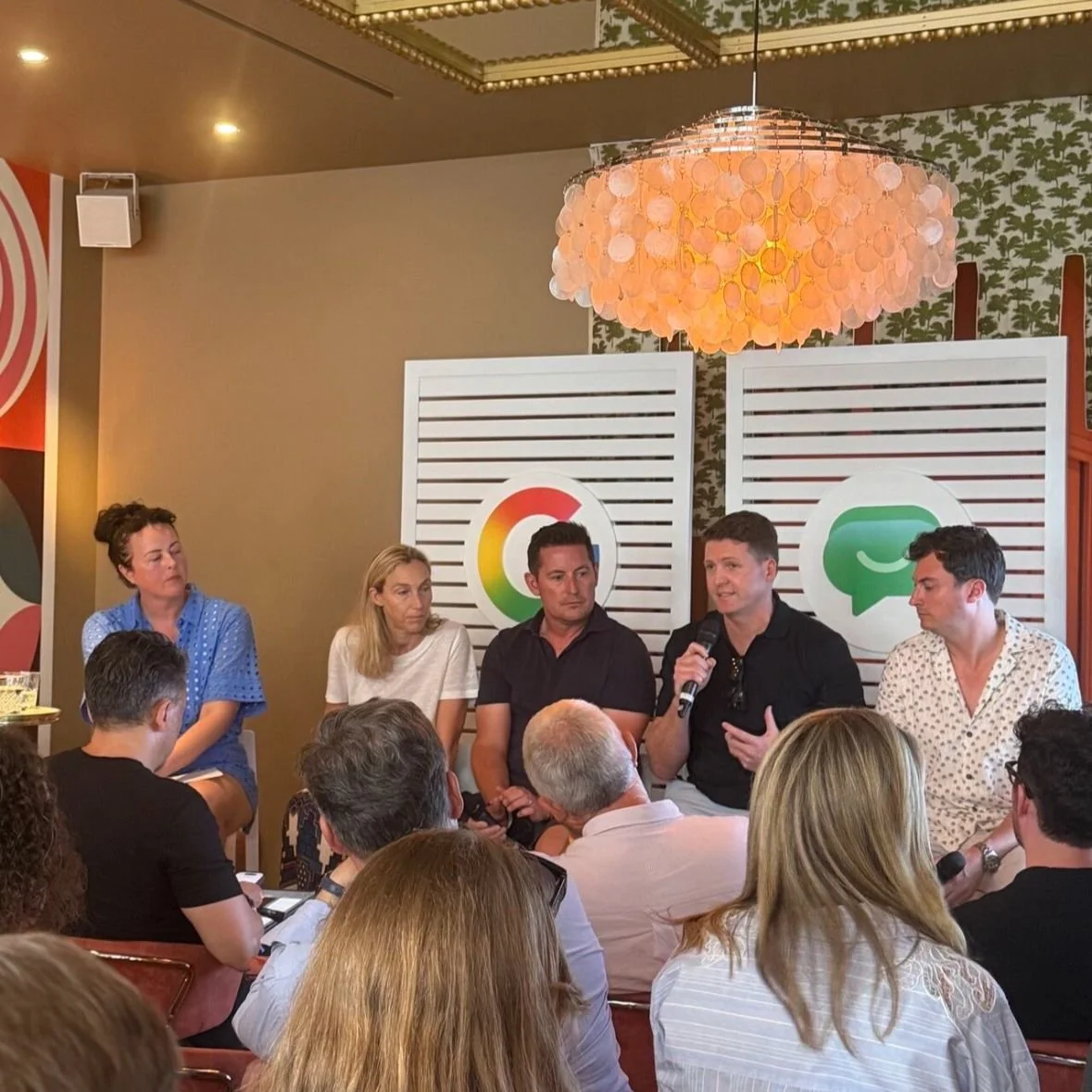
Cannes Leadership Summit
23 June 2026 | La Bambola Café
This EPTVI session brought together leading figures from across TV, advertising and ad tech to debate what it will take for programmatic TV to reach real scale across Europe.
There was broad agreement on the prize: more demand, more international spend and easier access to premium TV inventory for advertisers that have traditionally bought elsewhere.
The discussion also got into what is still getting in the way, including fragmented systems, inconsistent ways of working, identity, frequency, measurement and creative IDs.
A recurring theme was that programmatic does not have to mean cheaper TV. Better signals, easier buying and more competition for inventory can help broadcasters protect and grow the value of premium content.
The debate closely reflected the work underway through EPTVI, with a focus on the areas where the industry can agree practical ways forward and make them work across different European markets.
Our speakers

Digital Marketing & Innovation Director
Canal+ Brand Solutions

VP, Investment, Operations & Solutions
WPP Media


Director of Systems Strategy
Sky Media
Senior Director, Head of Advanced TV
Adform

Chief Executive Officer
IAB Tech Lab

SVP, Addressable Sales
The Walt Disney Company

MD, Global Partnerships, Sellside EMEA
Google

GM, Inventory Development EMEA
The Trade Desk


Advisor-in-Residence
PXI
Chief Executive Officer
RTL AdAlliance

Head of Video DACH, EMEA Partnerships
Google

VP Publisher Sales & Strategy International
FreeWheel

Executive Director
PXI

Head of Global Programmatic Strategy
SAS


SVP, Head of Advanced TV
Equativ
SVP, Connectivity & Ecosystem Publishers
LiveRamp

Executive Director
PXI
A shared industry approach to scaling programmatic TV in Europe

The European Programmatic TV Initiative (EPTVI) – supported by Google Ad Manager, Equativ, Adform, LiveRamp, The Trade Desk, FreeWheel and Cape.io, brings together players from across the TV ecosystem to support a more consistent and scalable approach to programmatic TV across Europe.
As premium TV inventory becomes increasingly accessible through programmatic channels, EPTVI focuses on reducing friction, improving confidence and enabling scale — without undermining the value, quality or integrity of premium television.
The challenge
Across Europe, demand for programmatic access to premium TV inventory is no longer the constraint. Execution is.
Buyers and sellers must navigate different definitions of “TV”, inconsistent workflows, and fragmented measurement and reporting approaches. As a result, similar solutions are often rebuilt market by market or platform by platform — increasing cost, limiting comparability and slowing adoption.
These challenges are systemic and cross-border by nature. They cannot be solved by individual companies acting alone.
Why EPTVI, Why Now

EPTVI exists to help the industry move forward by establishing shared foundations that reduce complexity and support confidence, comparability and scale, while respecting national market structures and dynamics.
The focus is on the areas where greater consistency can make a practical difference: how programmatic TV is defined, bought, sold, measured and operated across different markets and platforms.
The initiative is industry-led, voluntary and non-binding, and is designed to support and build on existing market standards and frameworks.
Who’s Involved

EPTVI brings together a broad cross-section of the European TV and advertising ecosystem, including broadcasters, streamers, agency groups, ad tech partners and trade bodies.
Stage Two is overseen by a Joint Industry Steering Committee (JISC). As of February 2026, the members of the JISC include
Adform, Canal+, Cape.io, Comcast Advertising, DAZN, Dentsu, Equativ, FreeWheel, Google Ad Manager,IAB Europe, IAB UK, iProspect, LiveRamp, Mediaset, Publicis / PMX, Rakuten TV, RTL AdAlliance, Seven.One Media, Sky, SkyShowtime, The Trade Desk, The7stars, VEVO and WPP Media.
Participation is voluntary and non-binding and does not imply endorsement.

Stage Two
Stage Two is structured around a set of shared deliverables:
North Star Principles
Shared reference points for how programmatic TV should operate across European markets, covering interoperability, measurement, transparency, workflow and local adaptation.
Reusable core components
Practical guidance and documentation intended to make programmatic TV easier to activate, manage and explain day to day, without requiring market-by-market reinvention.
The Premium Programmatic Partner (3Ps) Programme
An industry framework to support clearer, more transparent and accountable trading of premium programmatic TV inventory.
From alignment to action

Stage One of EPTVI focused on industry discussion and alignment, resulting in a published roadmap for programmatic TV in Europe informed by engagement across Europe’s largest advertising markets.
Stage Two marks the transition from alignment to delivery.
This phase focuses on defining and producing a small number of shared reference points and practical artefacts that can be applied consistently across markets — reducing duplication while preserving local flexibility.
Stage Two does not mandate standards, prescribe technology choices or override national market models.
Register for updates
EPTVI will share updates on publications, Town Halls and key milestones. If you would like to receive updates, please register.